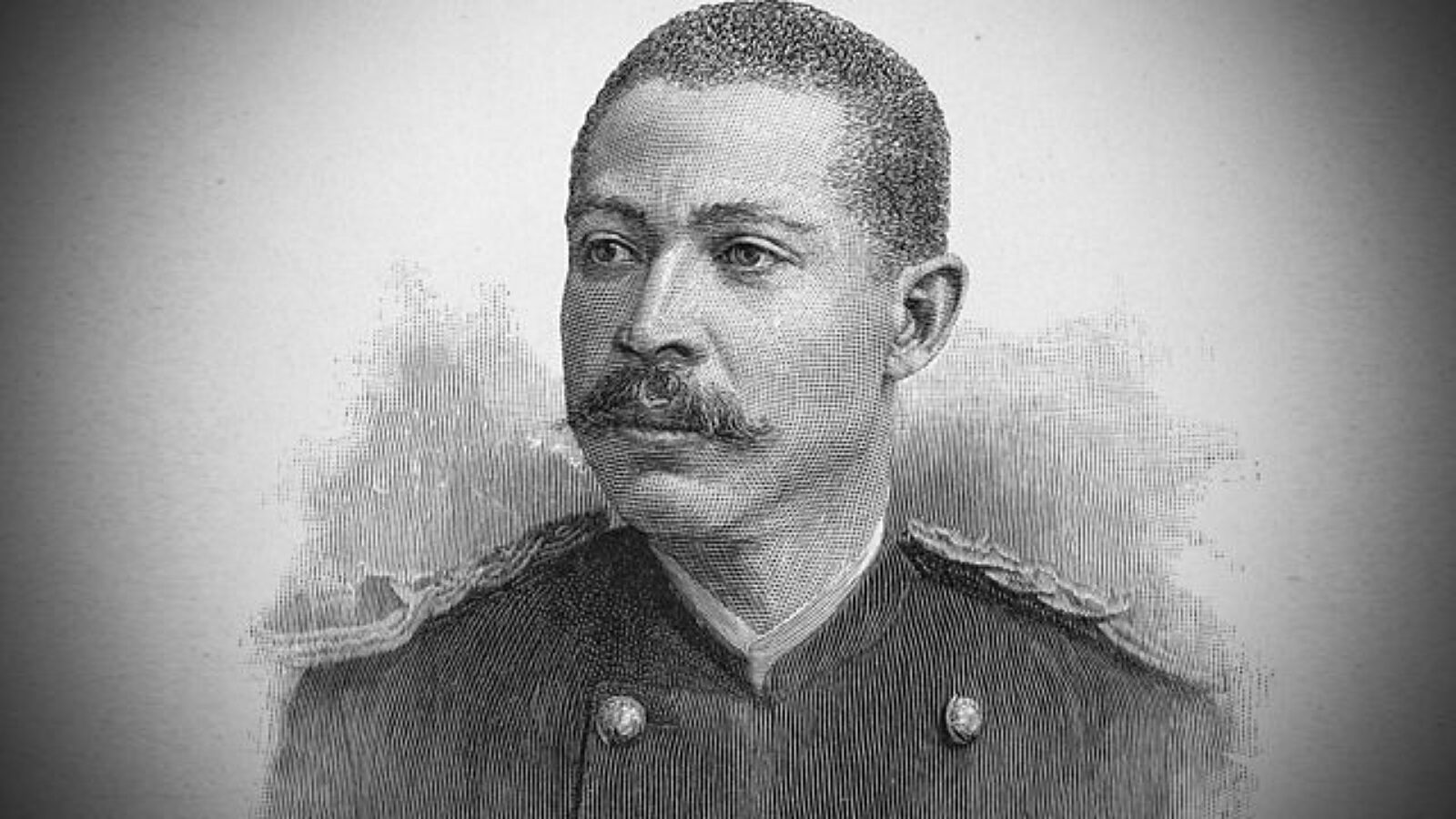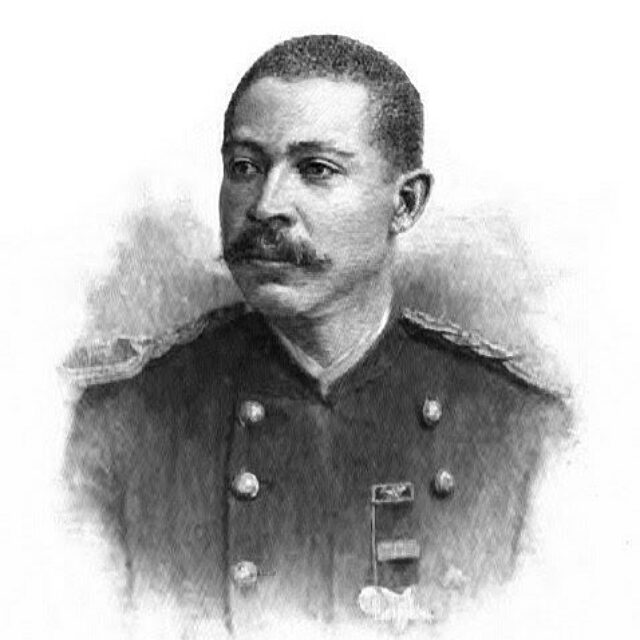
Every October, Black History Month provides an opportunity to celebrate the achievements and contributions of Black people throughout history, uncover overlooked stories and explore the connections they have to our own communities.
Here in Blackpool, one remarkable story has a particularly special connection to Showtown.
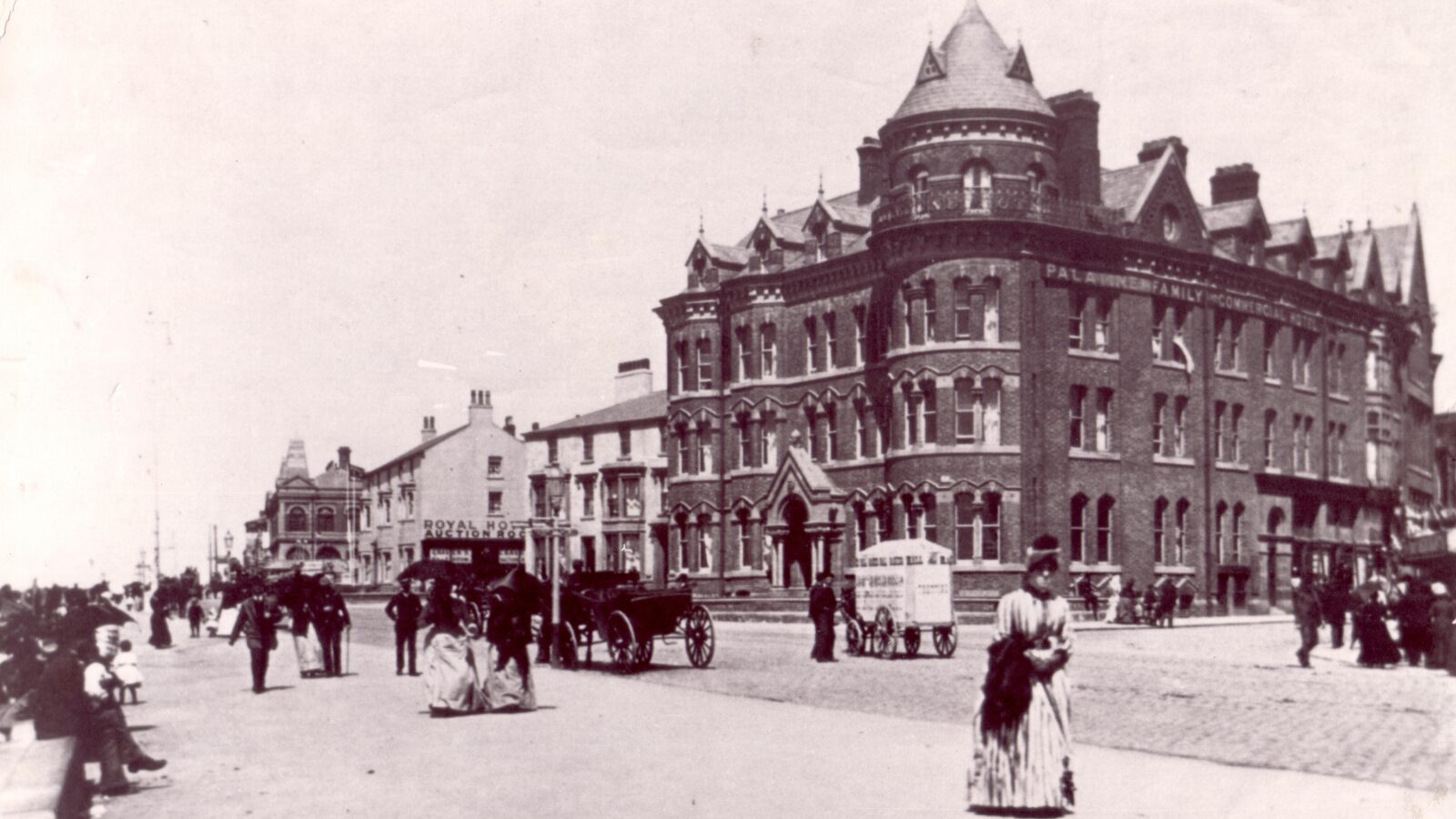
On 2 August 1891, George Washington Williams died at the Palatine Hotel on Blackpool's Promenade, aged just 41. The hotel once stood on the very site where Showtown is today.
Although Williams spent only the final few weeks of his life in Blackpool, his story connects the town to an extraordinary chapter of Black and international history. From fighting in the American Civil War and becoming a pioneering Black historian to exposing atrocities in the Congo, Williams achieved an extraordinary amount during his short life.
But how did this remarkable American find himself in Blackpool, and why is his story still important today?
A life spent breaking barriers
Born in Pennsylvania in 1849, George Washington Williams grew up at a time when slavery was still legal in parts of the United States and African Americans faced enormous barriers to education, employment and political participation.
Despite this, Williams built a remarkable career. During his lifetime, he served in the United States Colored Troops and the Mexican Republican Army, worked as a journalist, practised law and was elected to the Ohio House of Representatives.
He also became a pioneering historian, determined to document and preserve the experiences and achievements of African Americans at a time when their contributions were frequently overlooked or excluded from mainstream historical accounts.
His publications included History of the Negro Race in America and History of Negro Troops in the War of Rebellion, important works which helped establish a historical record of Black American lives and achievements.
But Williams' work would eventually take him far beyond the United States.
Exposing atrocities in the Congo
In 1890, Williams travelled to the Congo Free State in Central Africa, then under the personal rule of Belgium's King Leopold II.
What he witnessed led him to write an open letter condemning the brutal treatment of African people under colonial rule. His account challenged claims that Leopold's administration was bringing humanitarian progress to the region and became one of the earliest prominent international denunciations of the atrocities taking place in the Congo.
Williams' determination to document injustice and challenge those in power remains an important part of his legacy.
Following his travels, however, his health began to deteriorate. His journey back to Europe would eventually bring him to the Lancashire coast.
George Washington Williams in Blackpool
On 7 July 1891, Williams arrived in Blackpool suffering from congestion of the lungs and checked into the Palatine Hotel on the Promenade.
The Palatine was a hydropathic establishment specialising in health and recuperation. Visitors came to enjoy the fresh seaside air and therapeutic treatments in the hope that a stay on the coast would improve their health. The very spot where visitors now explore Blackpool's colourful entertainment history was therefore once a place of rest and recuperation.
During his short time in the resort, Williams formed friendships within the local community. He established connections with Blackpool's Baptist church and became particularly close to James Howarth, a local estate agent.
Unfortunately, his health deteriorated after he caught a chill and, on 2 August 1891, Williams died at the Palatine Hotel.
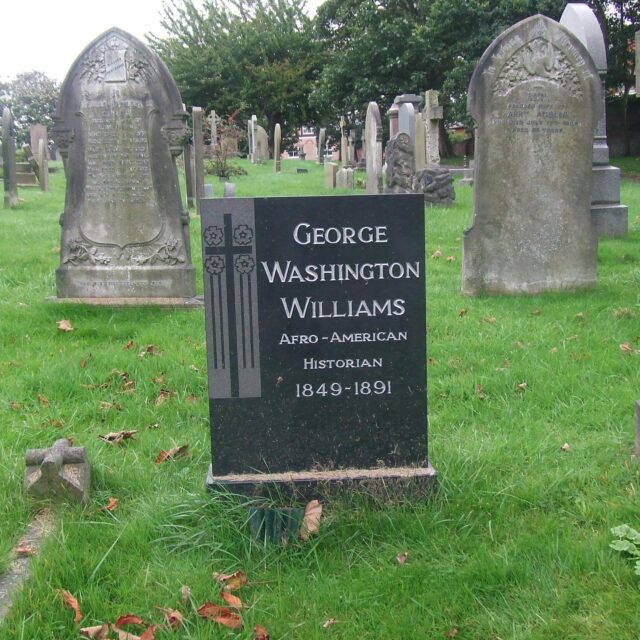
Following his death, James Howarth arranged for Williams' body to be taken to his home and paid for his funeral and burial at Layton Cemetery.
Williams' death was also reported in the local Blackpool Gazette, leaving an important historical record of his final weeks in the resort. Thousands of miles from his birthplace, Blackpool became his final resting place and an important location in the story of his life.
Remembering his story
For decades after his death, much of George Washington Williams' remarkable story remained relatively unknown.
That began to change thanks to John Hope Franklin, one of America's most influential historians, who dedicated years to researching Williams' life and restoring his achievements to the historical record.
In 1979, Franklin's research brought him to Blackpool, where he retraced Williams' final journey and investigated the circumstances surrounding his death. His biography, George Washington Williams: A Biography, was published in 1985.
Franklin's work demonstrates why historical research, archives and the preservation of local records are so important. Without them, extraordinary stories like Williams' can disappear from public memory.
Today, Williams' grave at Layton Cemetery provides a lasting connection between Blackpool and an important figure in Black history.
Why we're sharing his story this Black History Month
Black History Month is an opportunity not only to celebrate familiar figures and achievements, but also to uncover stories that have been overlooked and explore their connections to the places around us.
At Showtown, we're passionate about sharing the history of Blackpool and the people whose lives have intersected with our town, whether they spent their entire lives here or, like George Washington Williams, visited for just a few short weeks.
His story reminds us that Blackpool's history extends far beyond its famous entertainment, seaside attractions and holiday traditions. For generations, people from across the world have visited the town, bringing with them extraordinary experiences and stories that form part of our shared heritage.
Williams' connection to the very site where Showtown stands today makes this a particularly important story for us to share.
His legacy stretches far beyond Blackpool. His pioneering historical writing, political achievements and determination to expose injustice continue to hold significance today. But Blackpool holds a small and important chapter of that much bigger story.
This Black History Month, we're proud to share that connection, remember George Washington Williams' extraordinary life and help ensure his story continues to be told.
The next time you visit Showtown or walk along Blackpool's Promenade, remember that you're following in the footsteps of someone whose remarkable life connected our seaside town to a much wider story of Black history.